Brand Strategy & Identity Development
Strategic brand positioning, messaging, and identity development for government agencies, corporate teams, nonprofits, and MicroMarket organizations.
The Problem: The Brand Gap
The Risk of a Disconnected Brand: Why Consistency Is a Trust Issue
One of the most costly mistakes organizations make is operating with a disconnected brand—when an organization’s mission, values, and real-world impact do not align with how it looks, sounds, or presents itself publicly. Audiences sense this disconnect immediately, even if they can’t articulate why.
For government agencies and nonprofits, this gap is especially dangerous. These organizations are not selling products; they are stewarding public trust, donor confidence, and community credibility. When branding feels outdated, messaging feels generic, or tone shifts across platforms, confidence erodes before content is even consumed.
Why Consistency Builds Trust in the Public Sector
Trust is built through repetition and reliability. Stakeholders need to encounter the same core message—clearly and consistently—across every touchpoint, including:
🌐 Websites
📱 Social media
📢 Public notices
📄 Grant proposals
💰 Fundraising campaigns
When an organization’s stated mission emphasizes transparency, service, or impact, but its branding appears fragmented or unclear, the disconnect creates doubt. In the public and nonprofit sectors, doubt leads to disengagement, reduced participation, and skepticism—often before a single word of content is read.

The Brand Gap: Mission vs. Perception
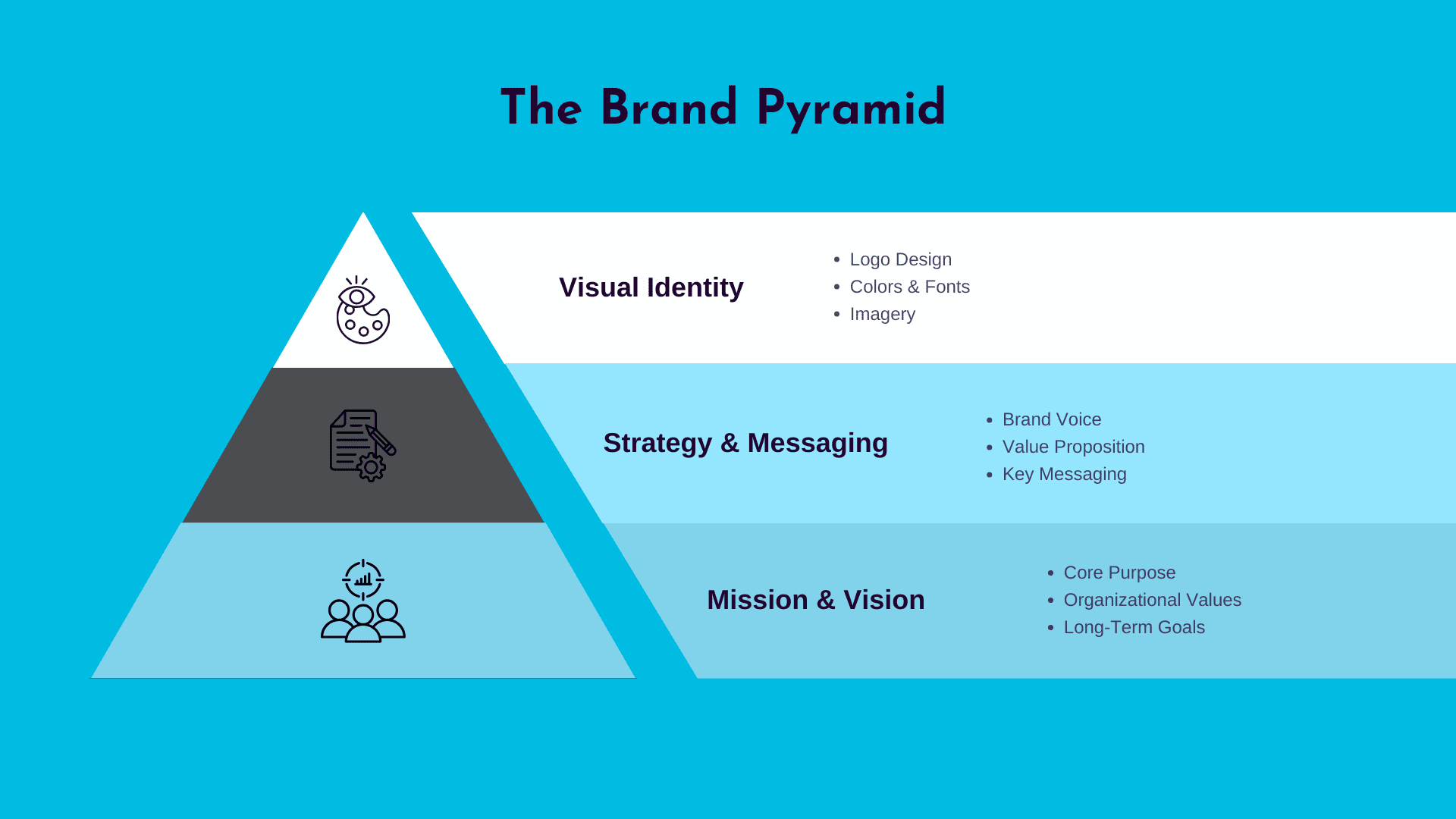
A strong brand is not decoration; it is alignment. Mission and vision form the foundation, and every visual and verbal element should reinforce that foundation:
- Brand voice that reflects purpose and authority
- Messaging that is clear, human, and stakeholder-focused
- Visual identity that communicates professionalism, stability, and credibility
When these elements are misaligned, organizations unintentionally send mixed signals—undermining years of good work with inconsistent presentation.
C2’s Approach: Alignment Before Aesthetics
At C2 Communications, brand development begins with clarity. Before any design work starts, we audit how your organization is currently perceived and identify where disconnects exist between mission, message, and presentation.
From there, we build a unified identity system—strategy, messaging, and visuals—that ensures every interaction feels intentional, credible, and consistent. For government and nonprofit organizations, this alignment is not optional; it is foundational. A consistent brand signals stability, intention, and trustworthiness.
The Pillars of Brand Strategy & Development

Brand Audit & Research
We assess stakeholder perception, competitive positioning, and internal alignment to understand where gaps exist and what must change.

Brand Positioning & Messaging
We define clear positioning, value propositions, and brand voice and messaging frameworks that resonate with your audiences and leadership.

Visual Identity & Brand Design
Professional logo design, typography, and color systems that communicate credibility, authority, and stability—never trends for their own sake.

Brand Guidelines & Governance
Comprehensive branding development services include a Brand Bible that ensures consistency across every channel and team.
The Process: From Brand Discovery to Long-Term Alignment
C2 follows a structured brand strategy process that helps organizations clarify identity, strengthen messaging, and maintain consistency as they grow, evolve, or transition leadership.
- Discovery – Stakeholder interviews, organizational assessment, and audience research
- Strategy – Market positioning, differentiation, and narrative definition
- Creative – Visual identity, brand design, and messaging systems
- Launch – Rollout, internal alignment, and long-term governance

Discovery
We begin with stakeholder interviews, organizational assessment, audience research, and brand perception review.

Strategy
C2 defines market positioning, differentiation, brand voice, and narrative direction based on your mission and goals.

Creative
We develop the visual identity, messaging system, brand design, and standards that express the strategy clearly.

Launch
We support rollout, internal alignment, and long-term governance so the brand remains consistent across teams and channels.
Sector-Specific Brand Strategy Expertise

Government
Building public trust through clarity, transparency, and consistency across administrations.

Corporate
Differentiating organizations in competitive markets with premium, credible identities.

Non-Profit
Creating emotional connection and clarity that drives engagement and donations.

MicroMarket
Establishing authority and recognition within niche or regional audiences.
Brand Strategy & Development FAQ
We already have a logo and website — do we really need brand strategy?
A logo and website are outputs; brand strategy is the foundation that determines whether they actually build trust or just fill space. Without it, even well-designed organizations send mixed signals that erode credibility over time.
How do we know if our brand has a problem?
If stakeholders struggle to articulate what makes you different, or if your messaging shifts across platforms, you have a brand gap. Audiences sense inconsistency immediately — even when they can’t explain why.
Can you work with what we already have, or does this mean starting over?
Not everything needs to change — we assess what’s working before recommending anything. Sometimes strong visual equity just needs clearer positioning; sometimes the mission is solid but the execution is inconsistent.
Why does brand consistency matter more for government and nonprofit organizations?
These sectors aren’t selling products — they’re stewarding public trust, donor confidence, and community credibility. Fragmented branding signals instability, and in the public sector, doubt leads to disengagement before a single word of content is read.
How long does this take, and what's the commitment from our leadership?
Most engagements span three to six months, and leadership participation is non-negotiable. Brand development reflects true organizational purpose — that clarity has to come from the top.
How do you measure whether brand development actually worked?
We establish baselines during discovery and track internal alignment, external recognition, and behavioral indicators — whether you’re attracting the right partners, talent, and opportunities. Success is measurable, not just aesthetic.
What separates C2 from a design firm offering branding services?
Design firms create assets; C2 architects the thinking those assets must express. We ask hard questions about mission, stakeholders, and competitive positioning before anyone discusses colors or fonts — because the right strategy makes the design decisions almost inevitable.