
Brand Strategy & Identity Development
Crafting professional identities and long-term positioning for complex organizations in the corporate and public sectors.
The Problem: The Brand Gap
The Risk of a Disconnected Brand: Why Consistency Is a Trust Issue
One of the most costly mistakes organizations make is operating with a disconnected brand—when an organization’s mission, values, and real-world impact do not align with how it looks, sounds, or presents itself publicly. Audiences sense this disconnect immediately, even if they can’t articulate why.
For government agencies and nonprofits, this gap is especially dangerous. These organizations are not selling products; they are stewarding public trust, donor confidence, and community credibility. When branding feels outdated, messaging feels generic, or tone shifts across platforms, confidence erodes before content is even consumed.
Why Consistency Builds Trust in the Public Sector
Trust is built through repetition and reliability. Stakeholders need to encounter the same core message—clearly and consistently—across every touchpoint, including:
🌐 Websites
📱 Social media
📢 Public notices
📄 Grant proposals
💰 Fundraising campaigns
When an organization’s stated mission emphasizes transparency, service, or impact, but its branding appears fragmented or unclear, the disconnect creates doubt. In the public and nonprofit sectors, doubt leads to disengagement, reduced participation, and skepticism—often before a single word of content is read.
The Brand Gap: Mission vs. Perception
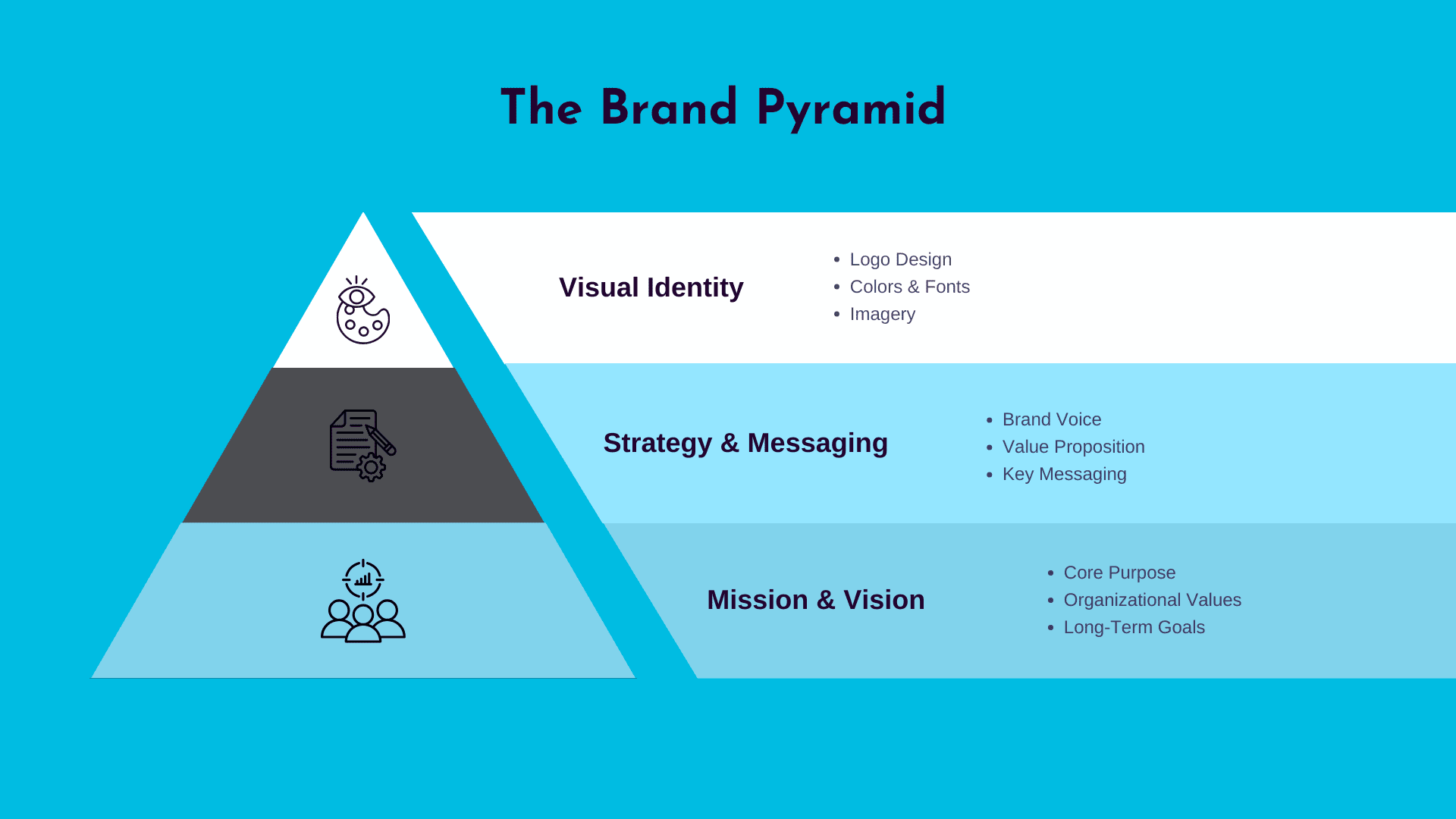
A strong brand is not decoration; it is alignment. Mission and vision form the foundation, and every visual and verbal element should reinforce that foundation:
- Brand voice that reflects purpose and authority
- Messaging that is clear, human, and stakeholder-focused
- Visual identity that communicates professionalism, stability, and credibility
When these elements are misaligned, organizations unintentionally send mixed signals—undermining years of good work with inconsistent presentation.
C2’s Approach: Alignment Before Aesthetics
At C2 Communications, brand development begins with clarity. Before any design work starts, we audit how your organization is currently perceived and identify where disconnects exist between mission, message, and presentation.
From there, we build a unified identity system—strategy, messaging, and visuals—that ensures every interaction feels intentional, credible, and consistent. For government and nonprofit organizations, this alignment is not optional; it is foundational. A consistent brand signals stability, intention, and trustworthiness.
The Pillars of Brand Strategy & Development

Brand Audit & Research
We assess stakeholder perception, competitive positioning, and internal alignment to understand where gaps exist and what must change.

Brand Positioning & Messaging
We define clear positioning, value propositions, and brand voice and messaging frameworks that resonate with your audiences and leadership.

Visual Identity & Brand Design
Professional logo design, typography, and color systems that communicate credibility, authority, and stability—never trends for their own sake.

Brand Guidelines & Governance
Comprehensive branding development services include a Brand Bible that ensures consistency across every channel and team.
The Process: The Discovery Journey
C2 follows a structured, phase-gated process trusted by corporate and public-sector leadership:
- Discovery – Stakeholder interviews, organizational assessment, and audience research
- Strategy – Market positioning, differentiation, and narrative definition
- Creative – Visual identity, brand design, and messaging systems
- Launch – Rollout, internal alignment, and long-term governance
This process supports long-term brand strategy and scalable business branding, ensuring consistency as organizations grow, evolve, or transition leadership.
Sector-Specific Excellence

Government
Building public trust through clarity, transparency, and consistency across administrations.

Corporate
Differentiating organizations in competitive markets with premium, credible identities.

Non-Profit
Creating emotional connection and clarity that drives engagement and donations.

MicroMarket
Establishing authority and recognition within niche or regional audiences.
Brand Strategy & Development FAQ
What's the difference between brand strategy and logo design?
Logo design is a visual output. Brand strategy is the architecture that determines what that logo represents and why it matters. Organizations that begin with brand strategy build identities that endure.
When does an organization need brand development services?
During mergers, leadership transitions, market expansion, reputation challenges, or when stakeholders struggle to articulate what makes the organization distinct.
How does brand strategy differ for government and public sector organizations?
Government brand building prioritizes trust, transparency, and mission clarity over market share. Effective public-sector branding must transcend political cycles while remaining authentic.
What does a brand development process typically include?
Research, positioning, brand voice and messaging, visual identity, implementation tools, and governance frameworks that ensure long-term consistency.
How long does strategic brand development take?
Most engagements span three to six months, allowing time for discovery, refinement, and leadership alignment.
What role should leadership play in brand building?
Brand development is a leadership responsibility. Founders, CEOs, and boards must actively participate to ensure the brand reflects true organizational purpose.
How do you develop effective brand voice and messaging?
Brand voice and messaging frameworks emerge from understanding three elements: who you are, who you serve, and what distinguishes you. We conduct audience research to understand stakeholder needs and language patterns. We facilitate internal sessions to identify authentic organizational values. We analyze competitive positioning to find meaningful differentiation. The resulting framework provides clear guidance on tone, terminology, and key messages that resonate—ensuring consistent communication whether it’s a board presentation, press release, or social media post.
Can you work with our existing business branding or visual elements?
Brand strategy doesn’t always require starting from zero. Sometimes organizations have strong visual equity but unclear positioning. Others have compelling missions but inconsistent execution. A thoughtful branding agency assesses what’s working before recommending changes. We evaluate existing elements against strategic objectives and stakeholder perceptions, preserving assets that serve your goals while addressing gaps. Evolution often proves more effective than revolution.
How do you measure brand strategy success?
Brand development outcomes manifest across multiple dimensions: internal alignment (do employees articulate purpose consistently?), external recognition (do stakeholders understand your differentiation?), and behavioral indicators (are you attracting the right partners, talent, and opportunities?). We establish baseline measurements during discovery and track progress against defined milestones. For government clients, success might include improved public trust metrics or increased community engagement.
What distinguishes a strategic branding agency from a design firm?
Design firms create visual assets. A strategic branding agency architects the thinking those assets must express. Business branding that endures requires understanding organizational dynamics, stakeholder psychology, and competitive context—not just aesthetic trends. Look for partners who ask hard questions about your mission and market before discussing colors and fonts. The best brand development work makes the eventual design decisions almost inevitable because the strategic foundation is so clear.